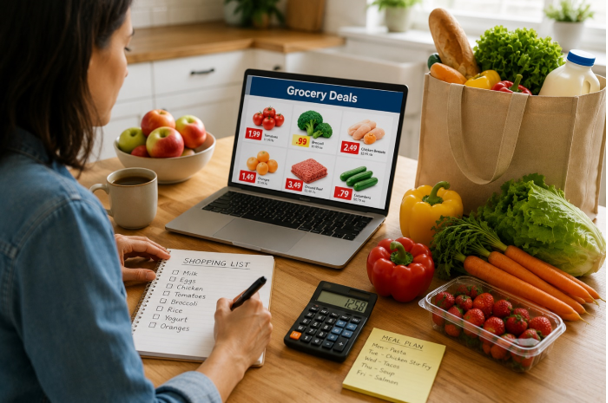
Every grocery trip involves dozens of small decisions. From choosing between fresh and frozen vegetables to deciding whether a family-size pack offers better value, these choices influence both your grocery bill and the quality of the food you bring home. Smart shopping isn’t about buying the cheapest products; it’s about making informed decisions that suit your household’s needs.
Canadian shoppers today have access to more information than ever before. Weekly flyers, digital tools, and product comparisons make it easier to shop with confidence. Many families begin by reviewing the No Frills Flyer for current grocery promotions and then compare selected offers with the Food Basics Flyer to see which store best matches their shopping priorities.
Think Like a Planner, Not a Buyer
Many shoppers enter a grocery store with the mindset of filling a cart. A smarter approach is to think like a planner. Every item you buy should have a purpose, whether it’s for this week’s meals, next week’s lunches, or future pantry needs.
Before shopping, consider:
- Which ingredients are running low?
- Are there meals already planned for the week?
- What fresh foods should be used first?
- Which pantry staples need replacing?
Answering these questions creates a more intentional shopping experience and reduces unnecessary purchases.
Understand the Difference Between Cost and Value
A lower price doesn’t always mean a better purchase. Smart shoppers look beyond the price tag and consider how much value a product provides.
For example, a slightly more expensive package of fresh fruit that stays fresh for several days may offer better value than a cheaper option that spoils quickly. The same principle applies to dairy products, meat, and pantry staples.
Evaluating products based on quality, freshness, and expected use helps families spend money more effectively.
Shop According to Your Household’s Lifestyle
Every family shops differently. A household with young children has different grocery needs than a couple, a student, or a senior.
Busy families may prefer ingredients that can be prepared quickly, while people who enjoy cooking from scratch may prioritize fresh produce and pantry basics.
Instead of copying someone else’s shopping habits, build a routine that reflects your own schedule, eating preferences, and household size. This approach often leads to less waste and more efficient grocery spending.
Use Weekly Flyers to Stay Informed
Weekly flyers are useful because they provide an overview of current promotions before you visit the store.
The No Frills Flyer often features offers on products that appear in many Canadian kitchens, including fresh produce, dairy items, frozen foods, and household essentials. Reviewing these promotions helps shoppers decide whether it’s the right time to purchase certain products.
The Food Basics Flyer can also be useful when you’re looking for additional savings in specific grocery categories. Comparing both flyers gives you more flexibility when planning your weekly purchases.
Don’t Let Habits Control Your Choices
Many shoppers automatically buy the same brands and products every week without considering alternatives. While routine makes shopping easier, it may also prevent you from discovering better options.
Challenge yourself to compare products occasionally. You may find that another brand offers similar quality, or that a seasonal ingredient works just as well in your favourite recipe.
Being open to change encourages smarter purchasing decisions without requiring major adjustments to your lifestyle.
Learn from Every Shopping Trip
Every grocery visit provides useful information that can improve future shopping decisions.
After returning home, take a few moments to reflect:
- Which purchases were the most useful?
- Were there products you didn’t use?
- Did any sale items exceed your expectations?
- What would you buy differently next time?
These simple observations help you refine your shopping habits and become more confident over time.
Make Consistency Your Biggest Advantage
Smart shopping isn’t about finding one extraordinary deal. It’s about making thoughtful decisions week after week. Consistency allows small savings to grow while helping households avoid unnecessary spending and food waste.
When informed decisions become part of your routine, grocery shopping feels less stressful and more rewarding.
Conclusion
Shopping smarter every week is less about spending the least and more about making choices that fit your household’s needs. Planning with purpose, understanding value, and staying flexible can improve both your grocery experience and your monthly budget.
The No Frills Flyer is a helpful resource for keeping up with weekly grocery promotions, while the Food Basics Flyer offers another way to compare current offers before shopping. Used together, they support informed decisions that help Canadian shoppers make the most of every grocery trip.