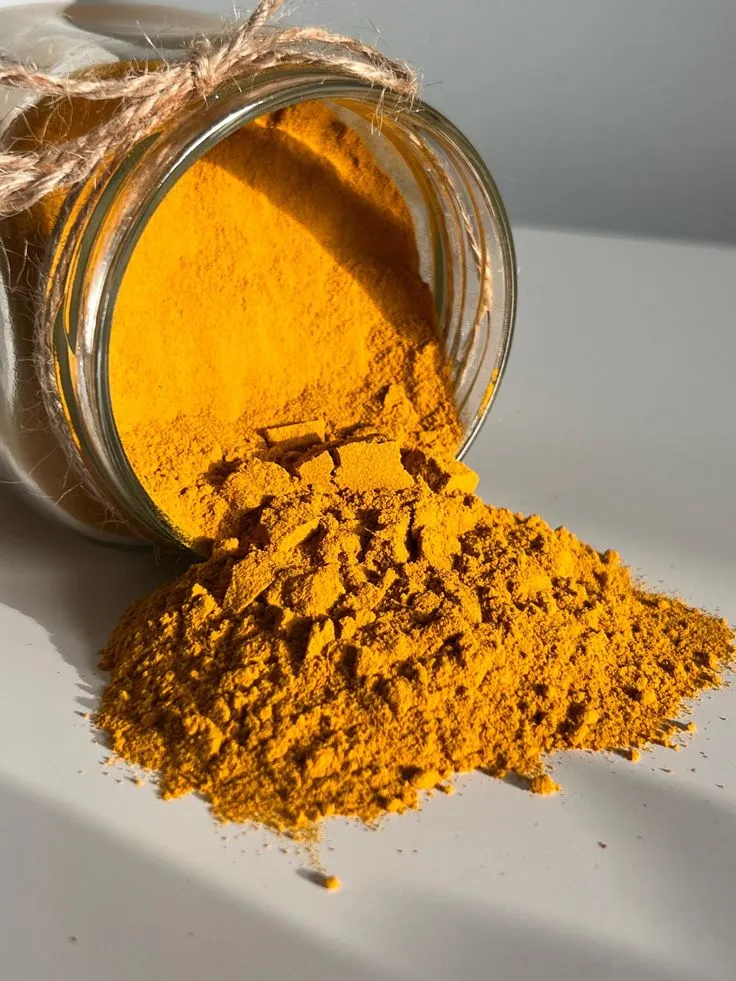
Curcumin is an important natural pigment that is used in selected food color applications and gives turmeric its bright yellow color. To a food manufacturer, the key to choosing the right ingredient is more than just the intensity of the color. The effectiveness of a curcumin ingredient in commercial production can be impacted by concentration, formulation compatibility, physical format, processing conditions, documentation and supply consistency.
Understand Curcumin Requirements
The products manufactured by a curcumin manufacturer may vary based on the quality of raw material used, the extraction process, concentration, formulation, and application. Curcumin is a natural component of turmeric and gives it its yellow color.
The first step is for the manufacturer to establish the desired shade, application, dosage range and processing environment. These requirements give a practical frame of reference for considering possible ingredients and for preventing the selection of an ingredient just because it seems to be concentrated.
Final color should always be assessed after the color is added to the food product to be colored.
Evaluate Food Color Performance
Curcumin can be used to impart yellow to golden yellow color in appropriate food applications. The intensity obtained is a function of concentration, dosage, food matrix and processing conditions.
Different color characteristics may be desired for a beverage, sauce, bakery product, snack or dairy formulation. Fats, oils, proteins, acids and other ingredients may affect the dispersion and appearance of the pigment.
Therefore, when possible, manufacturers should carry out application trials with the formulation itself. This provides product developers with a more accurate idea of the real color performance.
Review Concentration and Format
Concentration is one of the key factors to consider when making comparisons between curcumin ingredients. Lower dosage may be required if the preparation is concentrated, but it is not necessarily suitable if it is concentrated.
The physical format should also reflect the manufacturing process. Curcumin ingredients can be provided in various forms suitable for specific food systems.
Manufacturers should evaluate the concentration, dispersion, recommended dose, storage instructions, and instructions for use prior to approving an ingredient for commercial use.
Consider Processing Conditions
Food production may include heating, mixing, baking, pasteurization and more. These conditions should be taken into account when assessing a curcumin color.
The important commercial processing conditions should be simulated as closely as possible in the laboratory trials. Processing time may also be important, as a long time of exposure might yield different results than a short time of heating in a laboratory.
Assessment of finished products should be done following processing, not prior to production. When a product has a long shelf life, storage conditions can also be added.
Check Supplier Documentation
When looking at a number of suppliers, technical documentation can be helpful. Manufacturers should check specifications, concentration information, recommended uses, dosage instructions, storage requirements, shelf life and quality information as appropriate.
Other documentation that might be needed for procurement teams includes microbiological parameters, allergens, heavy metals, ingredient identity, and batch testing, depending on the product and market.
Clear documentation facilitates in-house approval and provides a reference for future deliveries by the quality teams.
Separate Color Ingredients From Other Materials
Manufacturers may find that there are suppliers that supply a number of food ingredient categories within a single portfolio. This is because it is important to differentiate between ingredients used specifically for coloring and those used for other formulation functions.
For instance, an Allulose Manufacturer might provide a product that is mainly utilized for sweetness, texture or formulation modification, but not as a direct source of yellow color.
Knowing the role of each ingredient will assist product developers in not using different ingredients interchangeably. The choice of color should continue to be made according to the performance of the pigment and the intended use of the food product.
Assess Manufacturing Capability
A good supplier will be able to provide support for development trials as well as commercial requirements. Manufacturers should take into account production capacity, batch consistency, packaging formats, lead times and flexibility in handling fluctuating order volumes.
Communication is important when evaluating suppliers as well. During product development, technical teams might require information on dosage, formulation compatibility, storage, or application performance.
A supplier that can give the customer clear and consistent information can make the transition from the laboratory to regular purchasing easier.
Conduct Application Trials
Manufacturers should conduct testing of samples under realistic formulation and processing conditions before making bulk orders. The same recipe, dosage range, production and storage environment can be used to compare candidate ingredients.
Final shade, dispersion, processing response, consistency and appearance after storage are some useful observations. The results are documented to provide a reference for procurement and quality checks in the future.
This systematic process can help to make supplier selection more objective and less based on sample appearance.
Conclusion
When choosing a suitable curcumin ingredient for food color applications, it is important to consider concentration, format, formulation compatibility, processing conditions, documentation and supplier capabilities. If a manufacturer is considering purchasing an ingredient on a larger scale, they can use practical testing to determine which ingredient is suitable for their production process. For companies interested in natural food color ingredients, they can check out FoodRGB.com to see the food color solutions available and speak with a food color technical partner about their application requirements.