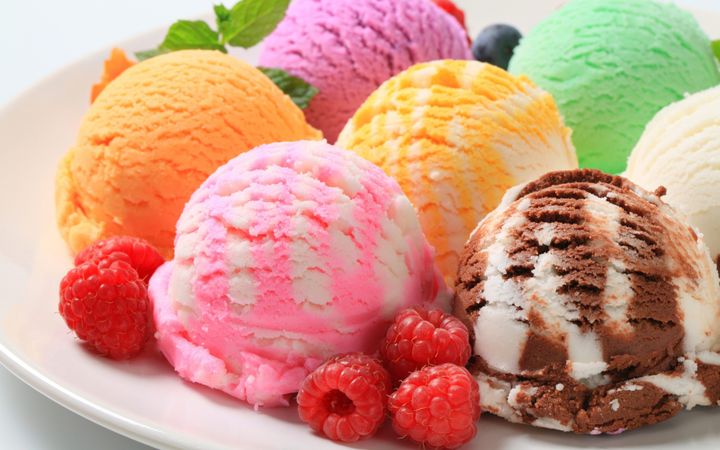
Sometimes food reminds you of something old. A fair. A summer day. That soft purple candy you once had. That feeling starts with color. Not tasted yet. Just the look. And this is where Black Carrot Concentrate falls in quietly. It brings deep tones that feel genuine, almost nostalgic. Not flashy. Not forced. Just a color that feels like it belongs. People do not always notice why they like it. They just do. And that small pull is enough.
Not Every Color Needs to Be Loud
There was a time when brighter meant better. That idea is fading. Now, softer colors win more hearts. They do not shout. They invite. A calm shade can hold attention longer than a sharp one. It gives space. It lets the food breathe a little. That is what many people enjoy now. Something that does not feel pushed. Something that looks easy and real. That quiet style is slowly becoming the new normal in how food is seen and chosen.
Ice Cream That Looks Like It Tastes
Ice cream is simple. Cold, sweet, quick happiness. But still, color matters more than we think. When it looks right, it feels right. That is why food coloring for ice cream is changing shape. It is becoming softer, more natural. A berry scoop should look like berries, not like paint. A mango tone should feel warm, not sharp. These small shifts make ice cream feel more real. And when it feels real, the joy feels a little deeper.
From Earthy Roots to Playful Plates
Something is interesting about how color travels. It starts in the ground. A root, growing slowly, picking up richness. Then somehow, it ends up in bright desserts or cool drinks. That journey matters. It brings a quiet depth to the final look. Not something you can always explain, but you can feel it. The color carries a bit of where it came from. And that makes food feel less artificial, more connected, even in the most playful treats.
Why Kids Notice Before Adults Do
Children react fast. They see color and decide. No labels, no thinking. Just feeling. If something looks too strange, they pull back. If it looks soft and familiar, they lean in. Adults do the same, just slower. Natural shades often win here. They feel safe, easy, normal. That first reaction shapes everything that follows. One look, then a bite, then maybe a smile. It all starts with that small visual moment that no one really talks about.
A Quiet Shift in How Food Is Designed
Food design is changing, but it is not loud. It is happening in small steps. Less focus on extreme looks, more on balance. Colors are being chosen with more care. Not just to stand out, but to fit in. To feel natural. To feel calm. This shift is fine, but it is real. And over time, it makes a new kind of expectation. One where food does not try too hard, yet still feels complete and satisfying in its own simple way.
Conclusion
At the end, color is more than decoration. It shapes how food is felt before it is tasted. Natural tones bring a quiet honesty that stays with people. They make food feel closer, easier, more real. For those looking to understand this gentle change, foodrgb.com offers a simple way to explore natural color choices. It is not about doing too much. It is about doing just sufficiently to make food feel right, from the first glance to the last bite.